
Simple locates, $200–$400
Short runs, decent access, leak confirmed and marked without drama.
The water bill knows something you don’t. Somewhere under a slab or behind a wall in Burwood, a pipe is quietly feeding the ground, and finding it with instruments instead of a jackhammer is the difference between lifting three tiles and gutting a bathroom. We locate to centimetres, then repair through one deliberate hole.
Every concealed leak makes three things: a sound, a temperature difference, and a pressure drop. The gear reads all three. Acoustic equipment listens for the specific frequency of water escaping under pressure and gets louder as we track along the line; thermal imaging paints the wet path through a wall or the warm plume of a leaking hot line under a slab; and isolating sections of pipework against a pressure gauge proves exactly which run is losing water and which is sound.
Cross-referenced, they put an X on the floor within centimetres. That precision is the entire point, the difference between lifting three tiles and re-tiling a bathroom. It matters double under Burwood’s older homes, where pipes wander in ways no plan ever recorded, and the "obvious" place to dig is reliably wrong.


Leafy Federation streets and mature trees drive roots into aged clay sewers, the most frequent cause of blockages across Burwood.
Older homes are a record of everyone who has worked on them. Original runs, a post-war bathroom teed in somewhere unexpected, a laundry added in the sixties, and nothing documented.
That is why detection on a heritage-era property starts by establishing where the pipes actually go. Tracing the layout is half the job and it is the half that prevents opening the wrong wall.
The apartment showing the damage is almost never the apartment with the fault. Water tracks along the top of a slab, through penetrations and down whichever path is available, which can be several metres laterally before it enters your ceiling.
Burwood’s apartment towers rely on shared sewer and stormwater lines, so one blockage can affect many units and needs quick, expert clearing.
Thermal imaging and moisture mapping from below will usually establish the direction it is arriving from, which narrows the source before anyone needs access to a neighbour's bathroom.
A persistent sewer smell around a property with no obvious source is worth investigating properly. It usually means either a dry or failed trap, or a break in a line venting where it should not.
A smoke test finds both quickly, introduce smoke into the system and watch where it emerges. It is unglamorous, cheap, and conclusive in a way that sniffing around is not.
Older houses have rising damp, failed flashings, blocked subfloor vents and perished mortar, all of which produce symptoms that look exactly like a leak.
Burwood is a busy Inner West hub (postcode 2134), where grand Federation homes sit beside apartment towers and a major shopping centre, bordering Croydon, Strathfield and Enfield. Its mix of period housing and high-density living throws up every kind of drain problem, and we’ve seen them all.
Establishing which one you have is worth doing before any pipe is repaired. A moisture profile that peaks at floor level and falls with height points at rising damp; one that peaks at a fixture or a pipe run points at plumbing.
Failed waterproofing in a shower is the single most frequent source of inter-lot water damage in strata, and it rarely presents as a leak at all, it presents as a damp patch on a neighbour's ceiling months after the membrane gave up.
It is worth ruling in or out early because it is a building repair rather than a plumbing one, and the process for approving and funding it is different. Flood testing the recess is inexpensive and definitive.
Not every escape of water is under pressure. A cracked drain leaks into the ground continuously without affecting the meter, without a pressure drop, and often without a single symptom inside the house.
The distinction decides the method. Pressure leaks are found with acoustics and the meter; drain faults are found with a camera and, where needed, a smoke or dye test.
A concealed leak is most often discovered by a water bill rather than by water. By then it has usually been running a full quarter, which is both the bad news and a useful clue about size.
Compare the last three bills rather than two. A single high quarter can be a garden or a visitor; a steady climb with no change in the household is a leak until something proves otherwise.
Short runs, decent access, leak confirmed and marked without drama.
First hour with the full instrument kit, acoustic, thermal, pressure, on a typical concealed leak.
Beyond the first hour: extended runs, tight access, multiple suspects to eliminate.
Deep slab lines and multi-storey mysteries at the top of Sydney's range.
Priced off exactly what the detection proved, fixed before it starts, same crew, same visit, no second call-out.
Weigh it against the alternative: exploratory demolition starts at more than detection costs, and it starts in the wrong place. Figures here are indicative of the 2026 Sydney market rather than a quote from us, you get your own number as a fixed price before any work starts.

Meter protocol, bills, history. If the evidence says no supply leak, you hear that for free, not a finding fee for nothing.
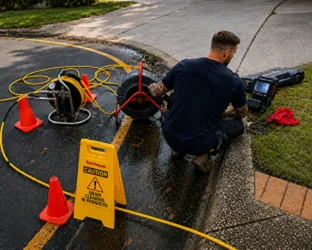
Section-by-section pressure isolation, hot against cold, run against run, until exactly one line owns the loss.

Thermal and acoustic sweeps along the guilty run until the signals stack on one spot. That mark is where, and only where, we open.
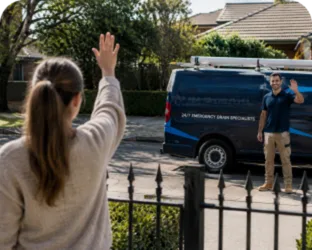
Access at the mark, section repaired, pressure re-tested, surface closed. A run in terminal condition gets reroute numbers before, not after.
Then it is real, running, and billing you daily. Detection this week beats discovery through a ruined floor next month.
Instruments, evidence, one precise repair: and a bill that goes back to normal.

Leave your details and our local Burwood team will call you back fast.